Wrist and Elbow Pain in Manual Workers
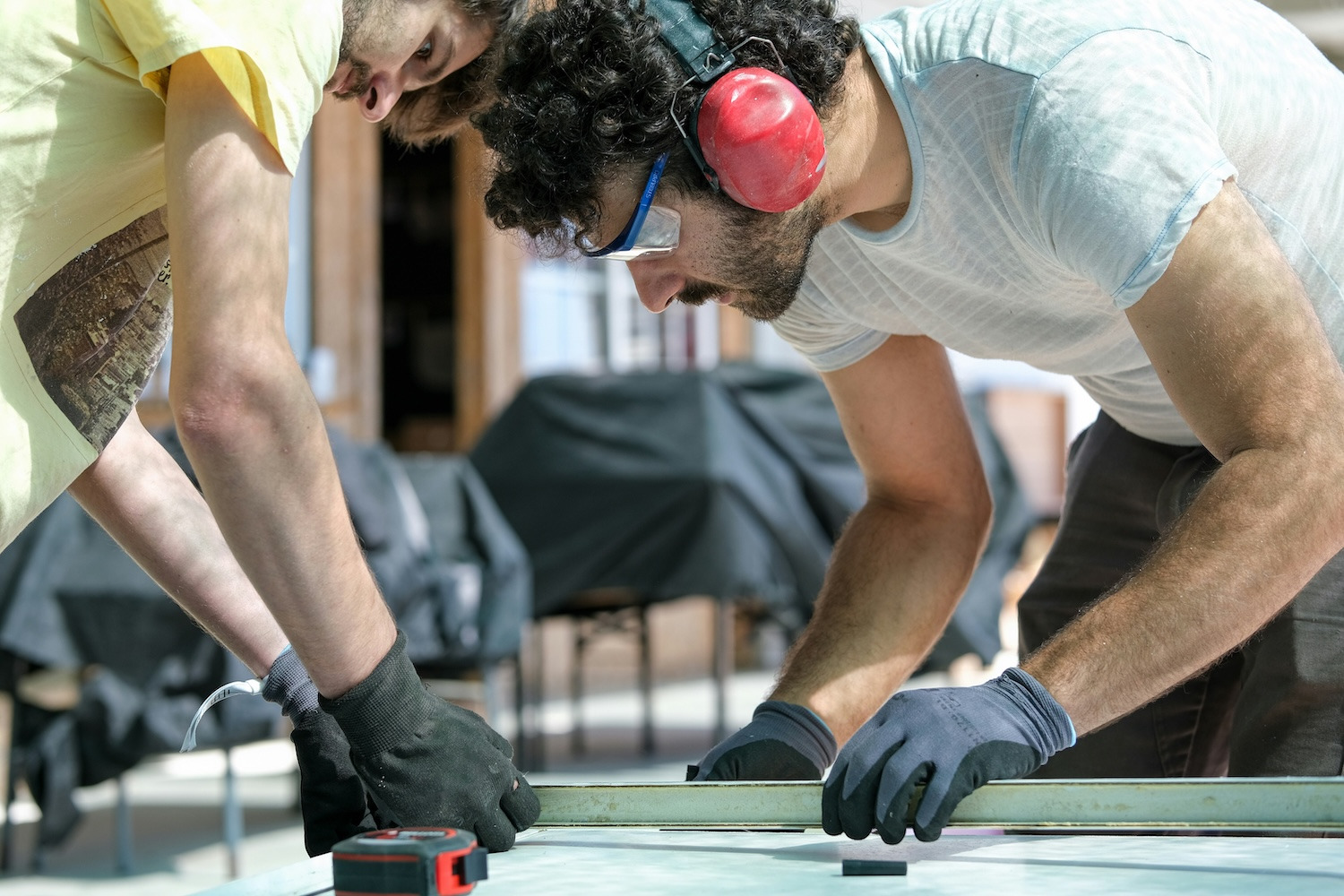
For people whose jobs rely on hands and arms, wrist and elbow pain can quickly interfere with work and daily life. Persistent discomfort often signals that tissues are being asked to handle more load than they can recover from.
At Westwood Physiotherapy, physiotherapists regularly support tradespeople, mechanics, construction workers, landscapers, factory staff, hairstylists, and dental professionals whose work involves repetitive or physically demanding arm use.
Why Manual Work Increases Injury Risk
Manual jobs place repeated stress on the wrists and elbows through gripping, lifting, and tool use. Over time, this repeated loading can irritate tendons, nerves, and joints.
Common contributing factors include:
- Repetitive gripping or twisting
- Heavy or awkward lifting
- Vibrating tools
- Long work hours with limited recovery
When workload exceeds the body’s ability to adapt, repetitive strain injuries often develop.
Common Wrist and Elbow Conditions
Several conditions frequently affect manual workers.
- Tennis elbow- involves pain on the outside of the elbow from overload of wrist extensor tendons.
- Golfer’s elbow- causes pain on the inside of the elbow due to overworked forearm flexor tendons.
- Carpal tunnel syndrome- occurs when the median nerve becomes compressed, leading to numbness or tingling in the hand.
- De Quervain’s tendonitis- affects thumb tendons due to repetitive gripping and lifting.
- Stenosing tenosynovitis – affects the thumb, middle and ring fingers. Welders are at high risk due to repetitive gripping, constant trigger pressure and vibration of the hand, leading to thickening of the A1 pulley and flexor tendons.
These injuries usually develop gradually and respond well to early treatment.
Early Warning Signs to Watch For
Symptoms often begin subtly and worsen over time.
- Morning stiffness in the wrist or elbow
- Weak grip strength
- Pain when lifting tools or household items
- Tingling or numbness in fingers
- Pain that improves with rest but returns at work
Recurring pain is a sign that the body needs support and load adjustment.
Why Rest Alone Rarely Solves the Problem
Rest can temporarily reduce irritation, but it does not increase tissue strength or tolerance to work demands. When full activity resumes, symptoms often return.
Tendons respond best to gradual, progressive loading. Targeted rehabilitation helps tissues rebuild capacity so they can tolerate daily tasks again.
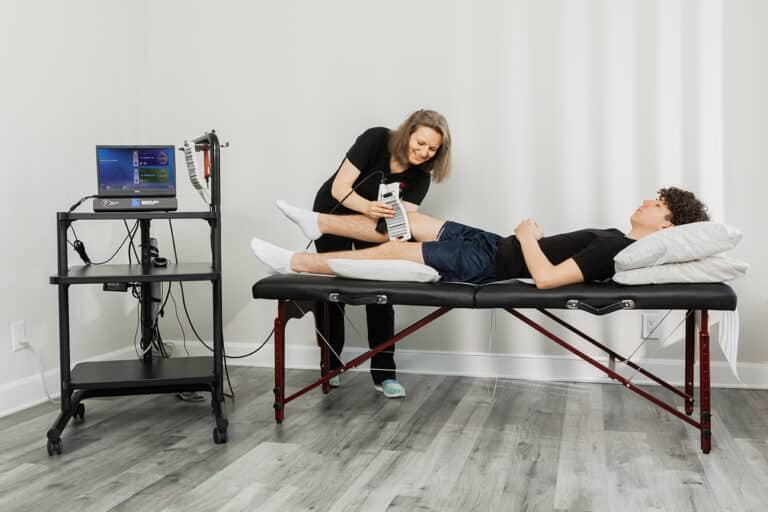
How Physiotherapy Helps Wrist and Elbow Pain
Treatment focuses on reducing irritation, restoring movement, and rebuilding strength.
- Pain and irritation management may include soft tissue therapy, joint mobilizations, taping, or bracing strategies to calm sensitive tissues.
- Mobility and nerve health are addressed through gentle exercises that improve joint movement and reduce nerve sensitivity.
- Strength and load tolerance are developed through progressive exercises such as wrist strengthening, grip training, forearm endurance work, and shoulder strengthening to reduce strain on the arms.
This full body approach helps the upper limb handle daily work demands more efficiently.
Injury Prevention Strategies for Manual Workers
Small changes can significantly reduce injury risk.
At work
- Alternate tasks when possible
- Use power grips instead of pinch grips
- Spread out the amount of weight or loads you lift
- Use wrist or elbow braces for demanding tasks
At home
- Strengthen forearms and shoulders
- Improve posture and upper back mobility
- Limit prolonged phone use after work
When to See a Physiotherapist
A thorough assessment from a physiotherapist involves more than just examining the painful area. We evaluate your functional movement patterns, identifying if shoulder stiffness or a lack of mid-back mobility is forcing your elbow and wrist to overwork. By understanding the specific ergonomics of your job site, we can build a specific and targeted recovery plan. This proactive approach ensures you aren’t just patching a symptom but are fundamentally improving how your body handles the heavy demands of your profession.
Consider booking an assessment if pain lasts longer than two weeks, keeps returning, affects work performance, or causes weakness or numbness.
Supporting Long Term Arm Health in Guelph
Manual work is physically demanding, and the body needs the right support to keep up. With proper treatment and strengthening, most wrist and elbow conditions improve significantly.
At Westwood Physiotherapy in Guelph, treatment focuses on helping manual workers stay strong, productive, and confident in their daily tasks. Early care and guided rehabilitation can make a meaningful difference in both recovery and long term injury prevention.