
Fibromyalgia Management in Guelph: Understanding Nervous System Regulation & Physiotherapy
Living with fibromyalgia can feel overwhelming and, at times, discouraging. You may experience widespread pain, persistent fatigue, and difficulty concentrating, yet medical tests often return normal findings. That gap between symptoms and test results can make it hard to feel understood.
If you are searching for fibromyalgia management in Guelph, you are likely looking for answers that are grounded in science and focused on practical recovery.
At Westwood Physiotherapy, we approach fibromyalgia through the lens of nervous system regulation and progressive rehabilitation. Chronic pain is common in Canada, affecting a large portion of adults for more than three months. Fibromyalgia is one form of chronic pain, but it has unique characteristics that require a specific strategy.
Understanding how the nervous system contributes to symptoms is the first step toward meaningful improvement.
What Is Fibromyalgia?
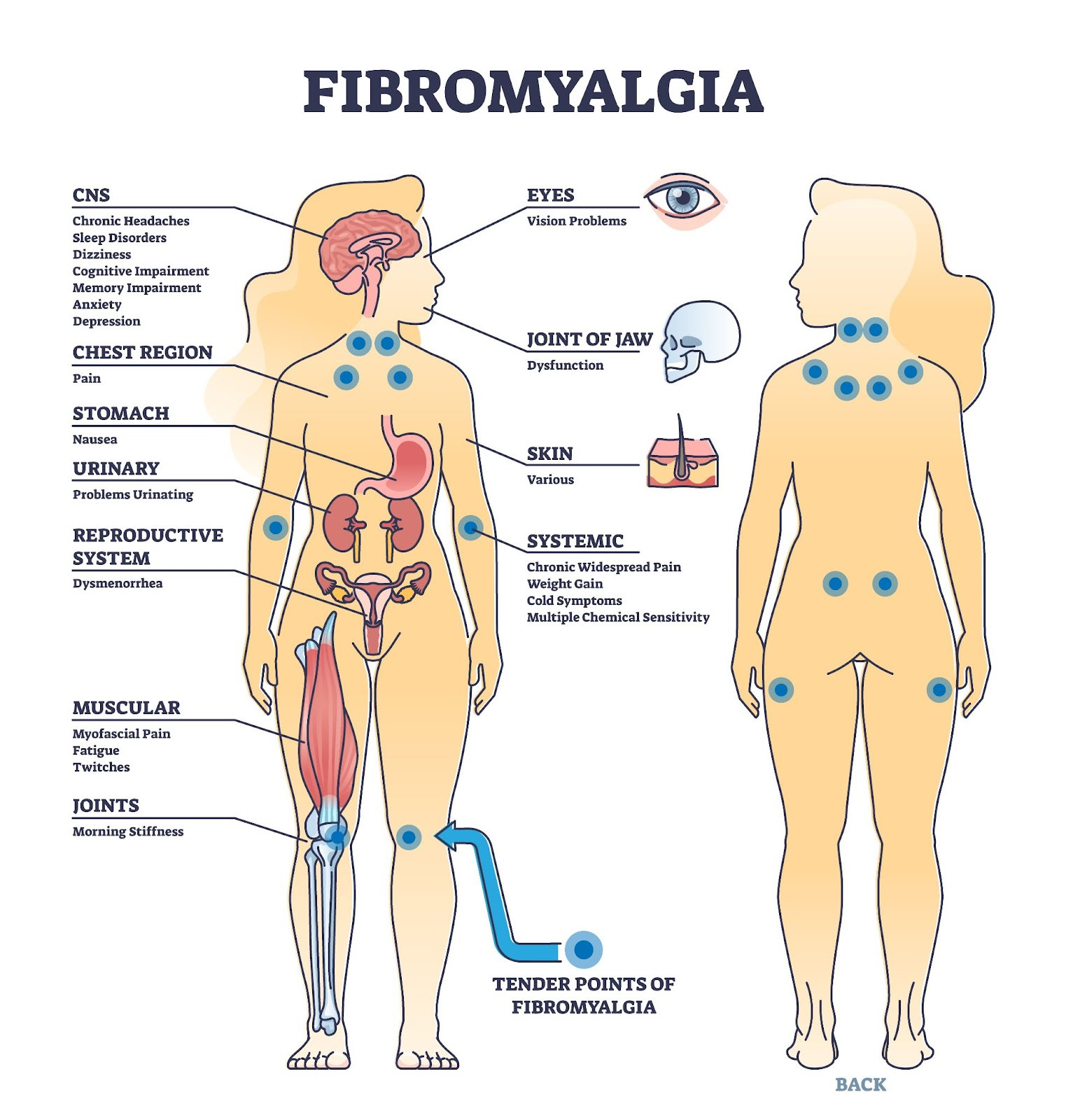
Fibromyalgia is a chronic pain condition marked by widespread musculoskeletal discomfort and systemic symptoms. Common features include:
- Ongoing, widespread muscle and joint pain
- Fatigue that does not improve with rest
- Sleep disturbances
- Cognitive difficulties often described as brain fog
- Increased sensitivity to pressure, stress, or activity
The defining feature is heightened pain processing within the central nervous system. Pain signals are amplified, meaning sensations that would not normally be painful can feel intense or overwhelming.
This process is often referred to as central sensitization. It does not mean the pain is imagined. It means the nervous system has become overprotective. When pain is driven by sensitivity rather than structural damage, management must focus on calming and retraining the system rather than aggressively targeting individual muscles or joints.
Understanding Nervous System Regulation
The nervous system constantly evaluates your environment for safety. It adjusts pain levels, muscle tension, heart rate, energy, and stress hormones based on perceived threat. In fibromyalgia, this system remains on high alert.
The nervous system influences:
- Pain perception
- Muscle tension and guarding
- Stress response
- Energy levels
- Sleep cycles
When the system stays activated, even minor physical or emotional stressors can trigger flare ups. Muscles may feel tight despite no injury. Light touch may feel uncomfortable. Activities that were once manageable may lead to prolonged fatigue. The body is not damaged; it is reacting protectively. Chronic pain physiotherapy focuses on gradually reducing this heightened sensitivity and restoring confidence in movement.
Why Fibromyalgia Feels Widespread
Unlike localized injuries such as tendon strains or joint sprains, fibromyalgia does not originate from one damaged structure. Research shows changes in how the brain and spinal cord process incoming signals, resulting in amplified pain perception across multiple areas.
This can lead to:
- Pain that shifts location
- Increased soreness after stress
- Heightened response to pressure
- Extended recovery after activity
When viewed through the framework of nervous system sensitivity, these symptoms become more understandable. The encouraging reality is that sensitivity can improve with the right approach.
Fibromyalgia Management in Guelph: What Helps?
At Westwood Physiotherapy, management plans are individualized but typically include several evidence based components.
1. Graded Exercise Therapy
Exercise is strongly supported in fibromyalgia management, but intensity must be carefully controlled. High intensity workouts or pushing through severe discomfort often worsen symptoms. Programs usually begin with short, manageable walks, gentle mobility exercises, and low impact cardiovascular activity. Consistency matters more than intensity.
2. Pacing and Energy Management
Many people experience cycles of overactivity followed by crashes. Learning pacing strategies helps stabilize energy levels and reduce nervous system overload. Pacing involves breaking tasks into smaller segments, scheduling rest proactively, and maintaining steady daily activity levels.
3. Nervous System Down Regulation
Calming strategies are equally important as strengthening exercises. These may include diaphragmatic breathing, guided relaxation, gentle stretching, and sleep routine optimization. Over time, these strategies help shift the nervous system away from constant threat mode and toward a more regulated state.
4. Education and Reframing
Understanding the science behind chronic pain often reduces fear. When you know your symptoms reflect sensitivity rather than structural damage, movement becomes less intimidating. Clear explanations improve confidence, which in turn supports recovery.
The Role of Hands On Therapy
Some individuals benefit from massage therapy or acupuncture as part of a broader management plan. These approaches can temporarily reduce muscle tension and ease discomfort. However, long term improvement depends on gradually building physical capacity and developing self management skills. Passive treatments work best when combined with active rehabilitation.
Preventing Flare Ups
Flare ups are common in fibromyalgia and do not mean progress has stopped. They often reflect temporary nervous system overload. Practical strategies include keeping movement consistent, protecting sleep quality, managing stress early, and maintaining regular hydration. Steady, sustainable habits support long term stability.
Common Questions
Should I exercise if I am already in pain?
Yes, but at an appropriate intensity. Gentle and structured movement can help retrain pain pathways. Severe flare ups may require temporary adjustment rather than complete rest.
Is fibromyalgia psychological?
No. The pain is real and linked to measurable changes in pain processing. Emotional stress can influence symptoms, but fibromyalgia is not imagined.
Can symptoms improve?
Many individuals experience significant improvements in pain levels, endurance, and quality of life with consistent management. Progress is typically gradual but meaningful.
Finding Fibromyalgia Management in Guelph
If you are seeking fibromyalgia management in Guelph, working with a physiotherapy team experienced in chronic pain can provide direction and structure. At Westwood Physiotherapy, care focuses on nervous system regulation, graded exercise, pacing strategies, and education.
Fibromyalgia does not mean your body is broken. It means your nervous system is protective. With consistent, strategic care, sensitivity can decrease and function can improve.